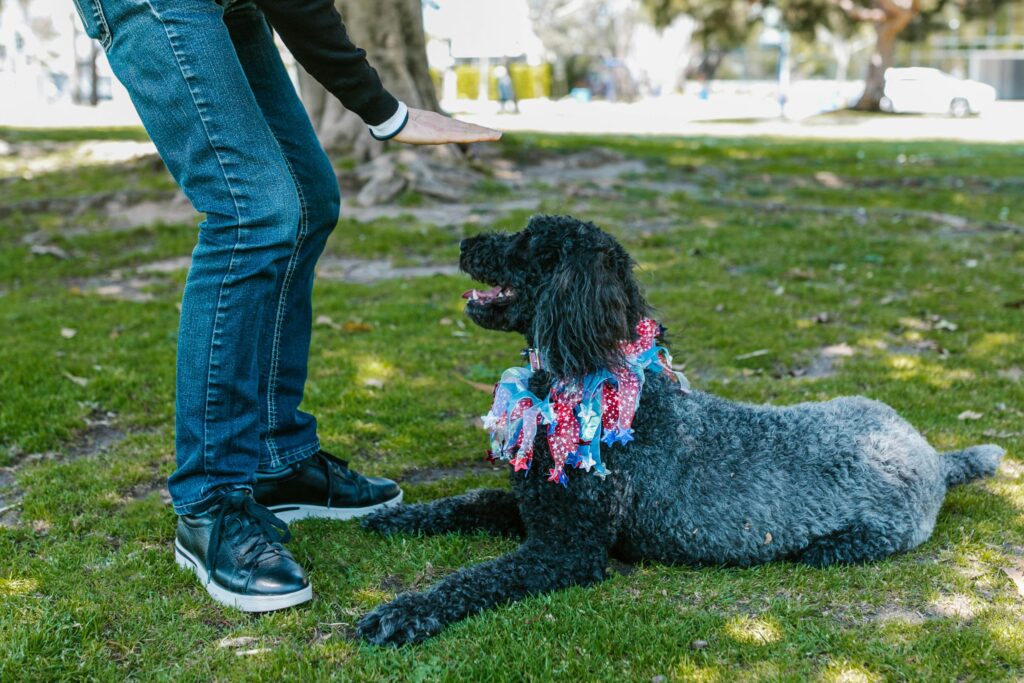
Have you ever stared into the soulful eyes of your dog during a rough day and thought, “They just *get* me”? Turns out, they really do. But what happens when you need them to be more than a cuddle buddy—when they’re your lifeline in tough moments? Training an emotional support animal (ESA) isn’t just about commands; it’s about connection. And today, we’re diving deep into ESA training techniques that are both effective and human-friendly.
In this guide, you’ll discover:
- The science behind ESA training.
- A step-by-step breakdown of proven ESA training methods.
- Tips for building trust while avoiding rookie mistakes.
Table of Contents
- Key Takeaways
- Why Training an Emotional Support Dog Matters
- Step-by-Step Guide to ESA Training Techniques
- Best Practices for Effective ESA Training
- Real-Life Success Stories
- Frequently Asked Questions About ESA Training
Key Takeaways
- ESA training focuses on behavior, emotional bonding, and socialization.
- Patience and consistency are non-negotiable when using ESA training techniques.
- Professional guidance can complement DIY efforts but isn’t mandatory.
Why Training an Emotional Support Dog Matters
I once spent six months trying to teach my golden retriever, Bailey, how to “speak” on command because I thought it was cute—not realizing she’d bark at every leaf falling outside after that. Rookie mistake, right?
When it comes to ESAs, though, untrained behaviors aren’t just annoying—they can disrupt their purpose. Unlike service dogs trained for specific tasks, emotional support animals provide comfort through companionship. This means ESA training techniques focus less on obedience drills and more on creating calm, predictable behaviors around triggers like crowds, noise, or stress cues from their humans.
Research shows that well-trained ESAs significantly improve mental health outcomes. According to a study published in the Journal of Consulting and Clinical Psychology, individuals with emotional support dogs reported lower anxiety levels compared to those without proper training protocols in place. Sounds good, doesn’t it?

Step-by-Step Guide to ESA Training Techniques
Alright, let’s get practical. Follow these steps to transform your pup into an ESA superhero:
Step 1: Build Trust Through Bonding
Optimist You:* “Let’s start by playing fetch!”
Grumpy You: “Hold up—fetch might be fun, but trust-building is serious business.”
- Spend quality one-on-one time daily.
- Use treats sparingly to avoid overfeeding.
- Pay attention to body language—dogs communicate volumes without words.
Step 2: Teach Basic Commands Like ‘Sit,’ ‘Stay,’ and ‘Calm’
These foundational skills help manage unexpected situations. For instance, knowing “stay” prevents Fido from bolting toward strangers who may not appreciate his enthusiasms.
Step 3: Socialize, Socialize, Socialize
Dogs thrive on routine, but they also need exposure to new environments, sounds, and people. Take them to parks, pet stores, or even car rides to desensitize them to stimuli.

Best Practices for Effective ESA Training
Here are some pro tips sprinkled with brutal honesty:
- Consistency is King: If Monday’s “sit” command becomes Tuesday’s shrug fest, don’t blame the pup. Stick to your rules.
- Reward Good Behavior: Positive reinforcement trumps punishment any day.
- Pick Battles Wisely: Some quirks, like chewing slippers, won’t impact their ESA role much. Focus on big-picture wins instead.
Disclaimer: Don’t try punishing your dog physically—it’s ineffective and damages trust. Just…ugh.
Rant Alert!
If I see one more person forcing a scared dog into chaotic public spaces as part of “socialization,” I’ll lose my mind. It doesn’t work; it traumatizes. Slow and steady wins this race, folks.
Real-Life Success Stories
Meet Sarah and Max. After years battling PTSD, Sarah adopted Max, a lab mix rescued from a shelter. With consistent ESA training techniques—including patience-heavy socialization and structured routines—Max now accompanies Sarah everywhere, providing unwavering support during panic attacks. Today? Her therapist calls him her “furry co-counselor.” Chef’s kiss.

Frequently Asked Questions About ESA Training
Q: How long does ESA training take?
A: It depends on temperament and prior training, but expect several weeks to months.
Q: Do I need professional help?
A: Not necessarily. Many owners succeed solo, but trainers offer invaluable expertise.
Q: Can older dogs become ESAs?
A: Absolutely! Age doesn’t matter—all dogs love learning new tricks.
Conclusion
Training an emotional support dog requires empathy, commitment, and plenty of caffeinated beverages. By mastering ESA training techniques, you’re not only supporting yourself—you’re giving your furry friend a job they’ll adore. So grab that leash, fire up Google Maps for nearby parks, and embark on this journey together.
Like a Tamagotchi, your SEO needs daily care. Now go forth and train!
Final Haiku:
Four paws, steady gaze,
Comfort found in quiet nights,
Love speaks louder still.