Have you ever felt like your emotional support dog just doesn’t “get it”? You’re not alone. Many pet parents struggle when trying to teach their furry companions the skills they need to provide effective support. The good news? With the right approach, patience, and understanding, your pup can become an emotional rock star.
In this guide, we’ll break down everything you need to know about building your dog’s **emotional support dog skillset**. From foundational commands to handling real-life scenarios, we’ve got you covered. Let’s dive in!
Table of Contents
- Why Your Dog Needs Specific Skills as an ESA
- Step-by-Step Training Process for Emotional Support Dogs
- Top Tips for Successful Emotional Support Dog Training
- Real-Life Success Stories That Will Inspire You
- Frequently Asked Questions About Emotional Support Dog Skills
Key Takeaways
- A well-trained emotional support dog must master basic obedience before moving on to advanced tasks.
- Patience and consistency are crucial—dogs learn best through repetition and positive reinforcement.
- Every successful emotional support dog needs a unique combination of calmness, focus, and adaptability.
Why Your Dog Needs Specific Skills as an ESA
“You want me to train my dog how to do…what exactly?” I used to think the same thing—until I realized my sweet Labrador mix had no idea what “calm down” meant during a panic attack. Talk about awkward timing!
Sensory moment: Imagine sitting cross-legged on the floor while your dog barks furiously because someone knocked over a glass outside. Now imagine needing that same dog to sit quietly next to you during moments of distress. Without proper training, chaos ensues faster than your laptop fan spins during a Fortnite stream.
Here’s why honing specific skills matters:
- Public Behavior: An emotional support animal (ESA) isn’t allowed everywhere service animals go—but if they behave poorly in public spaces, even permitted areas start feeling off-limits.
- Emotional Support Role: Unlike service dogs who perform physical assistance, ESAs provide comfort by staying calm and focused around their handler.
- Handler Confidence: Knowing your dog has these skills boosts your confidence in both everyday life and high-stress situations.

Step-by-Step Training Process for Emotional Support Dogs
Training your dog might feel overwhelming at first, but trust me, it’s worth every minute. Here’s a step-by-step roadmap:
Step 1: Start with Basic Commands
Before jumping into ESA-specific skills, ensure your pup knows essentials like:
- Sit
- Stay
- Come
- Leave It
- Down
This is where most people mess up—I once skipped straight to complex behaviors only to realize my dog didn’t even understand “Sit.” Pro tip: Use clicker training paired with treats for fast results.
Step 2: Build Focus Around Distractions
Dogs easily lose concentration when faced with distractions (hello, squirrels!). Gradually introduce low-level noises or movements during training sessions. Reward them heavily for remaining attentive despite interruptions.
Step 3: Teach Calming Cues
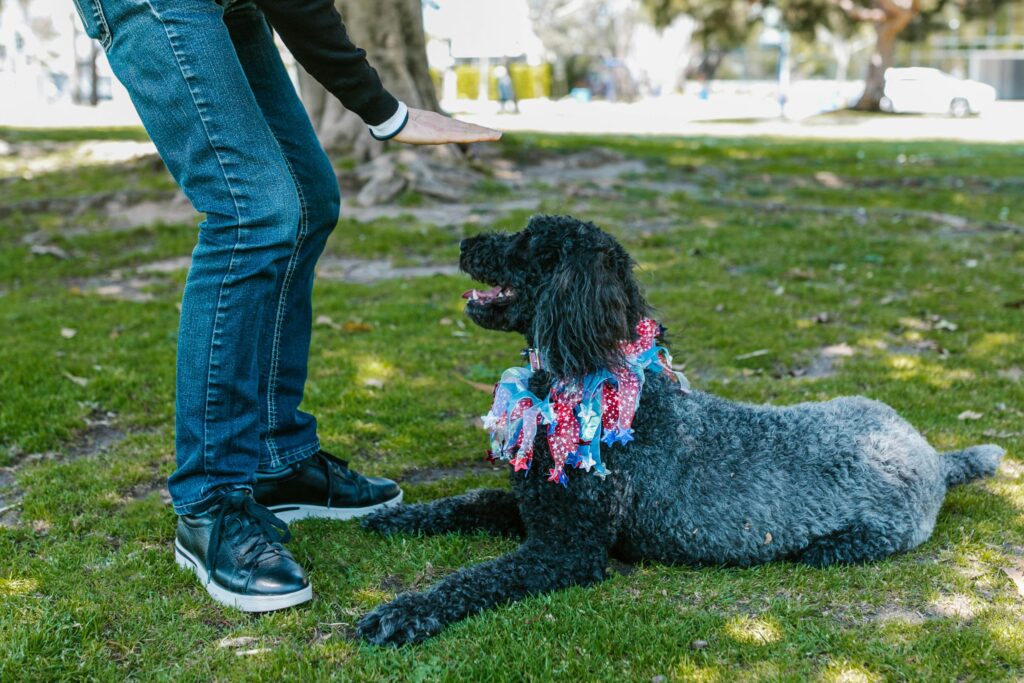
If your dog gets anxious, teaching calming signals like “Settle” or “Place” helps redirect energy. For instance, cueing “Place” directs your pooch to lie down near you, signaling it’s time to relax.
Step 4: Simulate Stressful Scenarios Safely
Create mock environments mimicking stressful conditions your dog may encounter. For example:
- Noise desensitization using recorded sounds of crowds.
- Practice lying calmly beside you when you’re visibly upset.
Pro-tip: Don’t rush this part—it could take weeks depending on your dog’s personality.

Top Tips for Successful Emotional Support Dog Training
Tailor Training to Your Dog’s Personality
Each dog learns differently—one size DOESN’T fit all here. Some thrive on puzzle toys; others prefer hands-on play. Experiment until you find what works!
Prioritize Positive Reinforcement
Never yell or punish mistakes. Instead, reward desired behavior consistently so your pup associates good choices with yummy snacks.
One Terrible Tip (Don’t Do This)
Skipping rest days kills progress faster than binge-watching Netflix burns through your weekend. Overtraining leads to burnout—for YOU and your dog.
Rant Alert: Those DIY Online Courses
Look, everyone wants shortcuts—but some online programs promise miracles without explaining the science behind canine psychology. Save money AND headaches by sticking to credible resources or hiring a professional trainer experienced in ESAs.
Real-Life Success Stories That Will Inspire You
“My rescue mutt, Max, always seemed anxious,” shared Sarah from Denver. After months of dedicated training, she noticed significant changes. “Max now stays perfectly still beside me whenever I feel overwhelmed—he truly understands his role.”
Another inspiring story comes from James, whose golden retriever Bella struggled with loud noises initially. Through gradual exposure therapy and consistent practice, Bella became her owner’s lifeline during fireworks season.

Frequently Asked Questions About Emotional Support Dog Skills
Do emotional support dogs require certification?
No, legally speaking. However, many landlords and airlines appreciate seeing proof of legitimate registration via reputable websites.
How long does it take to train an emotional support dog?
Typically between four to six months—but individual timelines vary based on factors such as age, breed, and prior experience.
What happens if my dog fails training?
It depends. If efforts stall repeatedly, consider consulting a certified dog trainer specializing in ESA work. Sometimes, another perspective makes all the difference.
Conclusion
Becoming proficient in the **emotional support dog skillset** requires dedication, love, and plenty of treats—but seeing your dog transform into a loyal source of comfort makes every effort worthwhile.
To recap:
- Focus on mastering basics before advancing.
- Incorporate positive reinforcement consistently.
- Be patient—you’re shaping a lifelong bond.
Like a Tamagotchi, your SEO game also thrives on daily care. Keep practicing, keep learning, and soon enough, your ESA will shine brighter than Pikachu under a spotlight.