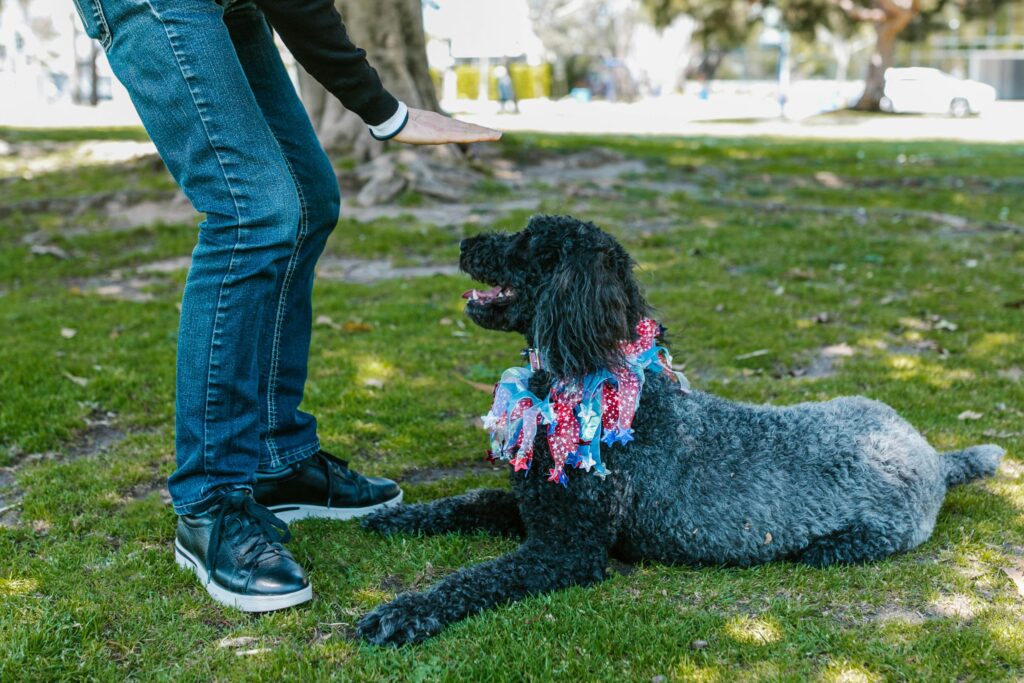
Ever felt like your emotional support dog just doesn’t “get” you? Picture this: you’re having a rough day, and instead of offering comfort, Fido jumps on the couch or barks at every little noise. Ugh, right? But what if mastering emotional support dog commands could transform that chaotic pup into your ultimate calming companion?
In this guide, you’ll learn:
- Why training matters for emotional support dogs.
- The top commands to teach your furry friend.
- A step-by-step approach to implementing these commands.
- Tips, tricks, and real-life examples to make training seamless.
Table of Contents
- Key Takeaways
- Why Train Your Emotional Support Dog?
- Top Emotional Support Dog Commands To Teach
- Step-by-Step Training Process
- Training Tips & Best Practices
- Real-World Examples of Success
- FAQs About Emotional Support Dog Training
- Conclusion
Key Takeaways
- Proper training strengthens the bond between you and your emotional support dog.
- The most effective commands include “settle,” “watch me,” and “leave it.”
- Patient repetition is key; don’t rush the process!
- Consistency beats perfection every time—keep practicing daily.
Why Train Your Emotional Support Dog?

Let’s talk about why emotional support dog training isn’t optional—it’s essential. Sure, love alone bonds you with your pup, but without proper command training, chaos reigns supreme. Imagine walking into a crowded store with your ESA—a solid “sit” or “stay” command can prevent embarrassing situations (and save your ankles).
Here’s a confession: I once skipped teaching my dog “place” because it seemed too boring. Fast forward to hosting Thanksgiving dinner, where my poor Labrador turned into a furry tornado underfoot. Not fun!
Sensory overload alert: That constant jingle of tags while they sprint around the house sounds like maracas gone rogue. You need structure. Grumpy Optimist banter incoming:
Optimist You: “Commands are easy!”
Grumpy You: “Only if snacks are involved.”
Top Emotional Support Dog Commands To Teach
Not all commands were created equal for ESAs. Let’s dive into the five must-know commands:
- Settle: Helps calm anxious behavior during stressful moments.
- Watch Me: Keeps their focus on you when distractions abound.
- Leave It: Stops them from snatching food or objects off the ground.
- Place: Directs them to settle in a designated spot (like their bed).
- Come: Ensures they return to you safely, even in busy environments.
Terrible Tip Alert:
Don’t try yelling commands repeatedly—dogs respond better to clear, positive reinforcement. Rant section? Yeah, let’s go there: nothing ruins a peaceful afternoon faster than someone screaming “SIT!” over and over while their dog ignores them completely. Chef’s kiss for awkwardness.
Step-by-Step Training Process

Time to roll up those sleeves and start training. Here’s how:
- Choose the Right Environment: Start in a quiet room to minimize distractions.
- Use Positive Reinforcement: Reward good behavior with treats, praise, or toys.
- Keep Sessions Short: Aim for 5–10 minutes so neither you nor your dog gets frustrated.
- Practice Consistently: Daily practice helps reinforce new skills.
- Gradually Increase Difficulty: Once mastered indoors, practice outside or in busier areas.
Training Tips & Best Practices

To speed things along, follow these pro tips:
- Be Specific: Say the exact word (“settle”) rather than vague phrasing.
- Mix Treats and Praise: Pair verbal affirmations with edible rewards.
- Avoid Punishment: Negative reinforcement often backfires with ESAs.
- Make It Fun: Incorporate playtime into sessions to keep spirits high.
Real-World Examples of Success
Take Sarah, who trained her golden retriever Max using these methods. Before, Max would bark uncontrollably during car rides. After weeks of working on “settle” and “leave it,” he now lies quietly beside her seat. Talk about life-changing!
Another success story comes from James, whose pitbull Luna struggled with strangers approaching him. The “watch me” command allowed James to redirect Luna’s attention whenever anxiety struck, creating a calmer environment for everyone.
FAQs About Emotional Support Dog Training
Q: How long does it take to train an emotional support dog?
A: Expect at least 6–8 weeks for foundational commands, though consistency accelerates progress.
Q: Can older dogs still learn commands effectively?
A: Absolutely! Old dogs DO learn new tricks—you just need patience and persistence.
Q: Do I need professional help?
A: While DIY works fine, hiring a certified trainer offers tailored guidance.
Conclusion
There you have it—a comprehensive guide to mastering emotional support dog commands. With commitment, positivity, and lots of treats, you’ll build a stronger relationship with your ESA while ensuring they’re well-behaved wherever you go.
Final words? Grumps gonna grump—but only until coffee kicks in:
Optimist You: “You’ve got this!”
Grumpy You: “Yeah… IF YOU REMEMBER THE SNACKS.”
For old-school vibes, here’s a haiku:
Paws stay steady.
Soft eyes meet yours—calm flows.
Together, we heal.