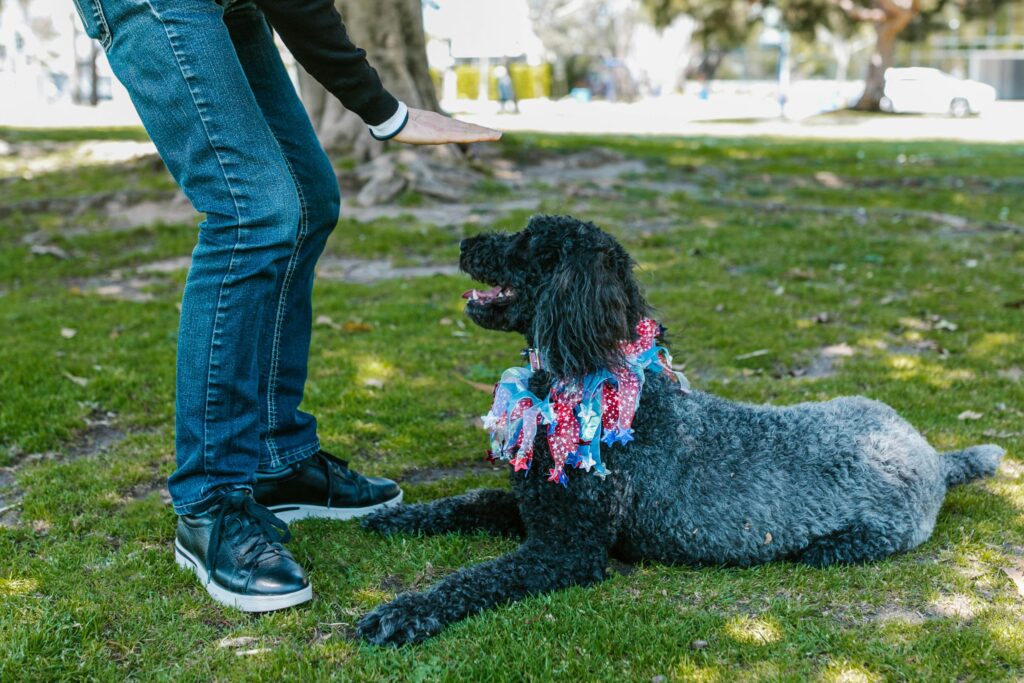
Ever felt like your emotional support dog just doesn’t “get it” during tough moments? You’re not alone. Training an emotional support dog is no walk in the park—it’s more like wrangling squirrels at a picnic. But what if you could turn those chaotic moments into calm, supportive ones for both you and your pup? In this guide, we’ll dive deep into dog emotional support methods, teaching you step-by-step how to train your furry friend while avoiding common pitfalls.
You’ll discover:
- The surprising reason why most emotional support training fails (and how to fix it).
- Actionable steps to turn your dog into an intuitive support companion.
- Real-world examples of dogs who’ve mastered these techniques.
- Best practices that even grumpy trainers won’t admit work wonders.
Table of Contents
- Why Training an Emotional Support Dog Can Be Tricky
- Step-by-Step Guide to Training
- Pro Tips & Best Practices
- Success Stories from Real Dogs
- Frequently Asked Questions About Dog Emotional Support Methods
Key Takeaways
- Dog emotional support methods require patience, consistency, and positive reinforcement.
- Understanding your dog’s natural temperament is crucial for successful training.
- Avoid punishment-based methods—they can backfire spectacularly.
- Professional help might be necessary if progress stalls after several months.
Why Is Training an Emotional Support Dog So Tricky?
I once spent three weeks trying to teach my golden retriever, Max, to lie quietly beside me during panic attacks. Instead, he started barking every time I reached for my anxiety meds. Talk about counterproductive! Turns out, I was making rookie mistakes—overlooking his cues, rushing through lessons, and expecting overnight success.

Sounds familiar? Training an emotional support dog requires understanding their unique personality, needs, and limitations. It also means creating trust—a bond strong enough for them to sense when you need comfort without being told explicitly. Without this foundation, all the clickers and treats in the world won’t save you.
Here’s the brutal truth: Many people fail because they jump straight into advanced commands before mastering basic obedience skills. Spoiler alert—you can’t skip steps here. Let’s break down exactly how to avoid falling into the same traps.
Step-by-Step Guide to Mastering Dog Emotional Support Methods
Step 1: Build Trust First
Before anything else, focus on strengthening your relationship with your dog. Spend quality time together daily—even if it’s just cuddling on the couch or playing fetch in the backyard. This lays the groundwork for effective communication.
Step 2: Teach Basic Obedience Commands
If your dog doesn’t know “sit,” “stay,” or “come” reliably, start there. Use short, frequent sessions (5–10 minutes) filled with praise and rewards. Tools like clicker training can speed up learning.
Step 3: Introduce Situational Awareness
Teach your dog to recognize signs of distress. For example, use phrases like “calm now” whenever you feel anxious. Pair this with gentle petting or giving a treat so they associate your words with soothing behavior.
Step 4: Practice Real-Life Scenarios
Create low-pressure situations where your dog can practice their new skills. Start small, such as sitting quietly while you meditate, then gradually increase challenges like staying calm in crowded areas.
Grumpy Optimist Dialogue:
Optimist You: “These steps will transform your dog into a therapy rockstar!”
Grumpy You: “Yeah, yeah—but only if you actually stick to the program instead of binge-watching Netflix between sessions.”
Pro Tips & Best Practices for Dog Emotional Support Methods
- Be Patient: Progress takes weeks or even months. Celebrate tiny wins along the way.
- Use Positive Reinforcement: Treats, belly rubs, and verbal praise go a long way.
- Avoid Punishment: Yelling or scolding creates fear, which ruins trust.
- Prioritize Consistency: Train at the same time each day to build routine.
- Get Professional Help If Needed: Sometimes, hiring a certified trainer is worth it.
Rant Corner: The Curse of Cheap Dog Training Gear
Listen up: Do NOT buy those $5 choke chains off Amazon. They’re uncomfortable for your dog and ineffective for building trust. Invest in quality gear—it’s cheaper than vet bills later. End rant.
Success Stories: Real-Life Examples of Mastering Dog Emotional Support Methods
Take Luna, a shy border collie mix who struggled with separation anxiety. Her owner used desensitization techniques combined with gradual exposure to loud noises. Within six months, Luna learned to relax alone—and even began comforting her owner during stressful phone calls!

Another star pupil? Charlie, a pitbull rescued from a shelter. With consistent training, Charlie became a certified ESA, providing unwavering support to his veteran owner suffering from PTSD.
Frequently Asked Questions About Dog Emotional Support Methods
How Long Does It Take to Train an Emotional Support Dog?
Typically 6–12 months, depending on the dog’s age, breed, and prior training experience.
Can Any Dog Become an Emotional Support Animal?
Most dogs can learn basic tasks, but some breeds are naturally better suited due to temperament and size.
Do I Need Certification for My Emotional Support Dog?
Nope! However, landlords or airlines may request documentation from a licensed therapist stating your need for an ESA.
What If My Dog Isn’t Responding Well to Training?
Reevaluate your approach. Are sessions too long? Is your tone impatient? Adjust accordingly—or consult a professional trainer.
Conclusion
Training your dog in emotional support methods isn’t easy—but damn, is it rewarding. By following these steps, embracing patience, and celebrating progress, you’ll forge an unbreakable bond with your four-legged bestie. Remember: Rome wasn’t built in a day, and neither is an amazing emotional support dog.
Oh, and one last thing:
Belly rubs galore,
Treats make tails wag faster—
Patience builds trust strong.
Just like Pikachu refusing to evolve into Raichu, sometimes slow progress is the key to ultimate success. 😊