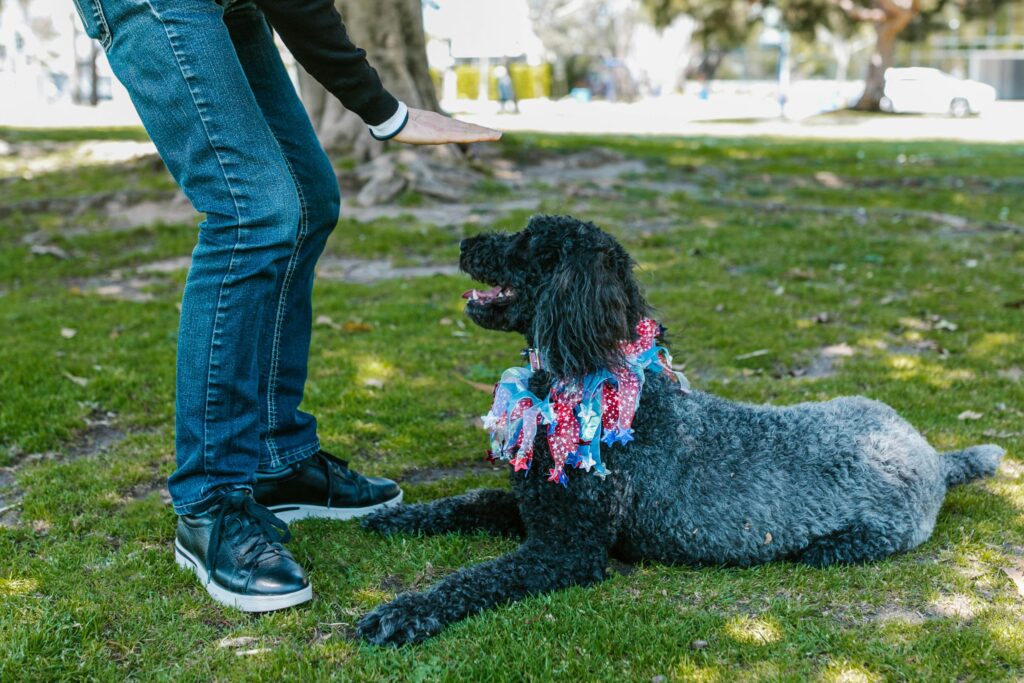
Ever tried teaching your emotional support dog to “stay,” only to have them bolt after a squirrel? Yeah, we’ve been there too. Training an emotional support animal (ESA) can feel like trying to teach calculus to a goldfish—frustrating, messy, and occasionally hilarious. But here’s the good news: mastering basic ESA training methods doesn’t have to be rocket science. With the right approach, even the most distractible pupper can become a well-behaved companion.
In this post, we’ll walk you through everything you need to know about training your emotional support dog. You’ll learn how to address common behavioral challenges, pick up actionable training techniques, and avoid rookie mistakes (like using treats as bribes instead of rewards). By the end, you’ll feel confident tackling basic ESA training like a pro—coffee in one hand, leash in the other.
Table of Contents
- The Challenges of ESA Training
- Step-by-Step Basic ESA Training Methods
- Top Tips for Successful ESA Training
- Real-Life Success Stories: From Chaos to Calm
- FAQs About Emotional Support Dog Training
Key Takeaways
- Basic ESA training focuses on foundational commands like sit, stay, and come.
- Consistency, patience, and positive reinforcement are key to success.
- Avoid common pitfalls such as over-rewarding or inconsistent expectations.
- Real-life examples show that progress is possible with dedication.
Why Is ESA Training So Challenging?
If you’ve ever caught yourself whisper-shouting “Why won’t you LISTEN?” at your dog during a chaotic park visit, you’re not alone. One major challenge of ESA training is understanding the unique role these dogs play. Unlike service animals trained for specific tasks, ESAs provide comfort primarily through their presence—which means their behavior needs to be calm and predictable in various environments.
Add sensory oversharings like loud noises or distractions—they’re everywhere—and it’s no wonder some pups struggle. For instance, I once had a client whose ESA refused to settle down in public spaces because they associated outings with constant excitement (and snacks). It took weeks to undo that Pavlovian nightmare!
Step-by-Step Basic ESA Training Methods
Optimist You: “Let’s train my ESA today!”
Grumpy You: “Ugh, fine—but only if coffee’s involved.”
Step 1: Start with the Basics—Sit, Stay, Come
Before diving into advanced tricks, start small. Teach your dog the foundational commands:
- Sit: Hold a treat close to your dog’s nose, then slowly raise it above their head so they naturally lower into a sitting position. Reward immediately!
- Stay: Ask your dog to sit, then extend your palm outward while saying “stay.” Step back gradually and reward when they remain still.
- Come: Use a cheerful tone, call their name followed by “come,” and reward them upon arrival.
Step 2: Practice Desensitization
Expose your ESA to different stimuli—loud noises, crowded areas, unfamiliar people—to help them adjust without panicking. Start slow: introduce one distraction at a time and reward calm behavior.
Step 3: Reinforce Calm Energy
Emotional support dogs should embody Zen energy. Practice mindfulness exercises alongside your pup, like deep breathing sessions where both of you relax together.
Top Tips for Successful ESA Training
- Be consistent. Use the same words and gestures every time.
- Keep sessions short but frequent (5–10 minutes).
- Use high-value treats (but don’t overdo it).
- Avoid punishment—it can damage trust.
- Prioritize bonding outside of formal training.
Rant Time:
Pet peeve alert! Stop treating ESA training like it’s magic. It’s grunt work. If someone promises you overnight results, run. Fast. Like your laptop fan overheating during a 4K render, unrealistic expectations will burn out everyone involved—including your poor pooch.
Real-Life Success Stories: From Chaos to Calm
Tell me this isn’t chef’s kiss for drowning doubts: Sarah adopted Max, a hyperactive Labrador mix, who couldn’t focus for more than three seconds. After six months of dedicated training using desensitization and positive reinforcement, Max became her rock-solid companion, accompanying her to therapy appointments and social gatherings.
Here’s another gem: Jake’s border collie, Luna, used to lunge at strangers. Through patient repetition of “focus” exercises and steady exposure to new faces, she now greets guests politely. Moral of the story? Progress > perfection.
FAQs About Emotional Support Dog Training
Q: How long does ESA training take?
A: It depends on the dog, but expect 6–12 months for solid mastery of basic commands.
Q: Can any dog become an ESA?
A: Technically yes, but certain temperaments make better candidates than others.
Q: What happens if my ESA fails obedience tests?
A: Not all ESAs need formal certification, but continued practice helps improve problematic behaviors.
Conclusion
Training an emotional support dog may seem daunting, but armed with basic ESA training methods, consistency, and patience, anyone can transform their furry friend into a supportive sidekick. Remember, setbacks happen—but so do breakthroughs. Keep showing up, keep rewarding wins (even tiny ones), and trust the process.
And hey—here’s a little something to brighten your day:
Paws & Pause
Breathe in; breathe out.
Like Tamagotchi hearts,
Your bond will grow strong.