
Picture this: You’re at the airport, clutching your ESA dog’s leash, heart racing because TSA just flagged you for a “documentation check.” Ever been there? Yeah, us too. It’s not fun.
If you’ve ever wondered how to ensure your emotional support dog travels hassle-free, you’re in the right place. In this blog post, we’ll uncover everything you need to know about ESA travel accommodations, including training tips, legal requirements, and real-life success stories. Get ready to transform your travel anxiety into confidence!
You’ll learn:
- The top pain points owners face while traveling with ESAs.
- A step-by-step guide to training your emotional support dog for travel.
- Best practices to secure proper ESA travel accommodations.
- Real-world examples of smooth (and bumpy) ESA journeys.
Table of Contents
- Key Takeaways
- Why ESA Travel Can Be Stressful
- How to Train Your Emotional Support Dog for Travel
- Best Practices for ESA Travel Accommodations
- Case Studies: Lessons from Real Travels
- FAQs About ESA Travel Accommodations
- Conclusion
Key Takeaways
- Proper ESA documentation is critical for avoiding hassles during travel.
- Basic obedience and desensitization training are essential for emotional support dogs on planes or trains.
- Understanding airline-specific policies can make or break your journey.
- Consistent reinforcement builds trust and minimizes stress for both you and your pup.
Why ESA Travel Can Be Stressful
Let me tell you a story—an embarrassing one. Last year, I flew with my emotional support dog, Luna. She’s usually calm as cucumber juice, but guess what happened when the plane started taxiing? Yep, she barked so loudly that even nearby passengers gave “the look.” Turns out, I hadn’t prepped her enough for loud noises like engine roars and announcements. Rookie mistake.
This scenario happens more often than you might think. Many ESA handlers underestimate the importance of preparation for travel environments. Airports are chaotic—think rolling suitcases, crying babies, endless announcements—and public transport isn’t much better. Without proper training and awareness of regulations, these situations can quickly spiral into chaos.
To add insult to injury, airlines have tightened their ESA policies recently. Some require advanced notice; others demand specific forms filled by mental health professionals. If you show up unprepared, don’t expect any leniency.
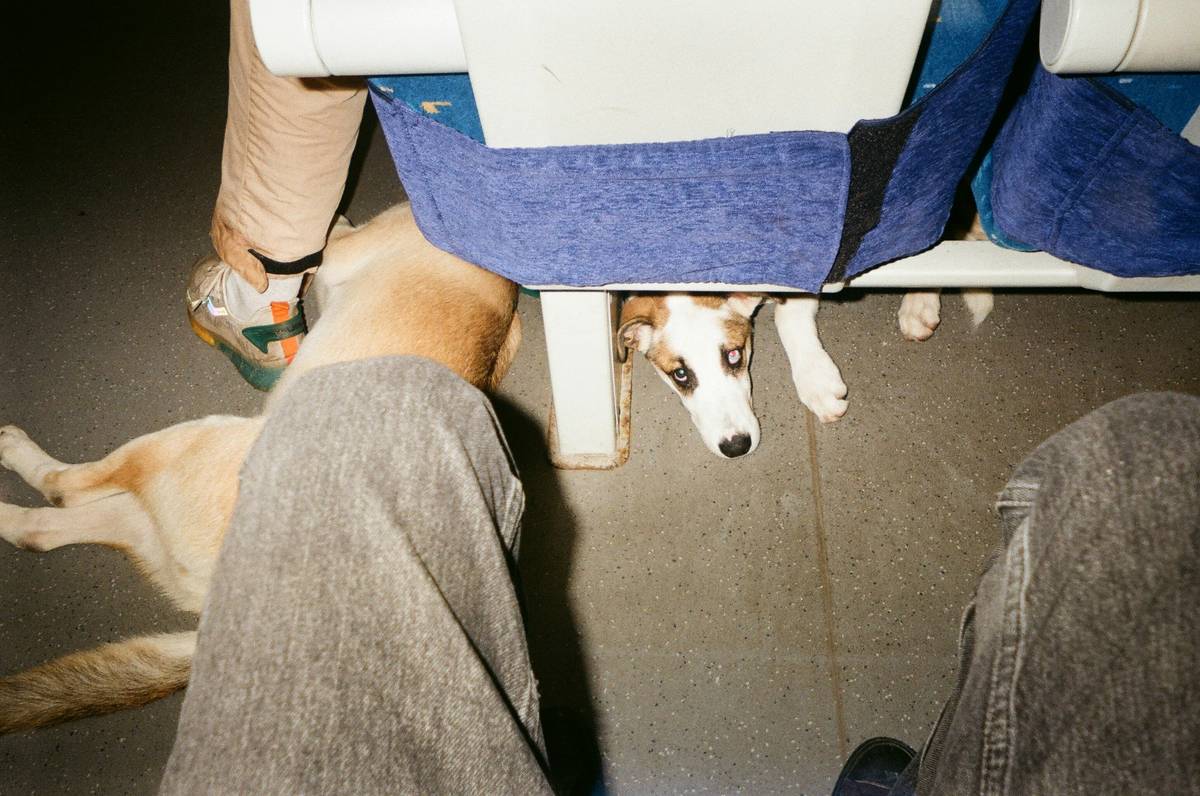
Travel stress with ESAs feels like lugging two carry-ons uphill.
How to Train Your Emotional Support Dog for Travel
“Optimist You: ‘Training my ESA will be easy!’
Grumpy You: ‘Ugh, fine—but only if coffee’s involved.'”
Luckily, it *can* be straightforward if done systematically. Here’s how:
Step 1: Basic Obedience Training
No matter where you go, basic commands (“sit,” “stay,” “heel”) are non-negotiable. Your ESA should follow these cues seamlessly before tackling unfamiliar environments.
Step 2: Socialization
Expose your dog gradually to crowds, loud sounds, and confined spaces. Start small at busy parks or malls, then work your way up to busier settings like airports.
Step 3: Crate Training
Some airlines may require your ESA to stay in a carrier. Practice crate training early using positive reinforcement to avoid meltdowns mid-flight.
Step 4: Desensitization to Travel Noises
Introduce your dog to recordings of common travel sounds: airplane engines, subway screeches, etc. Pair these sounds with treats to create positive associations.
Best Practices for ESA Travel Accommodations
Here are some tried-and-true strategies to keep in mind:
- Double-check Documentation Requirements: Ensure your ESA letter is current and meets the airline’s criteria. Don’t wing it!
- Book Early: Airlines limit the number of ESAs per flight, so reserve early to secure your spot.
- Pack Smart: Bring essentials like water bowls, collapsible carriers, and calming supplements.
- Research Hotel Policies: Not all accommodations welcome ESAs, even with valid paperwork.
Terrible Tip Alert: Relying solely on online forums for advice? Big no-no. Always cross-check information against official sources like DOT guidelines or airline websites.
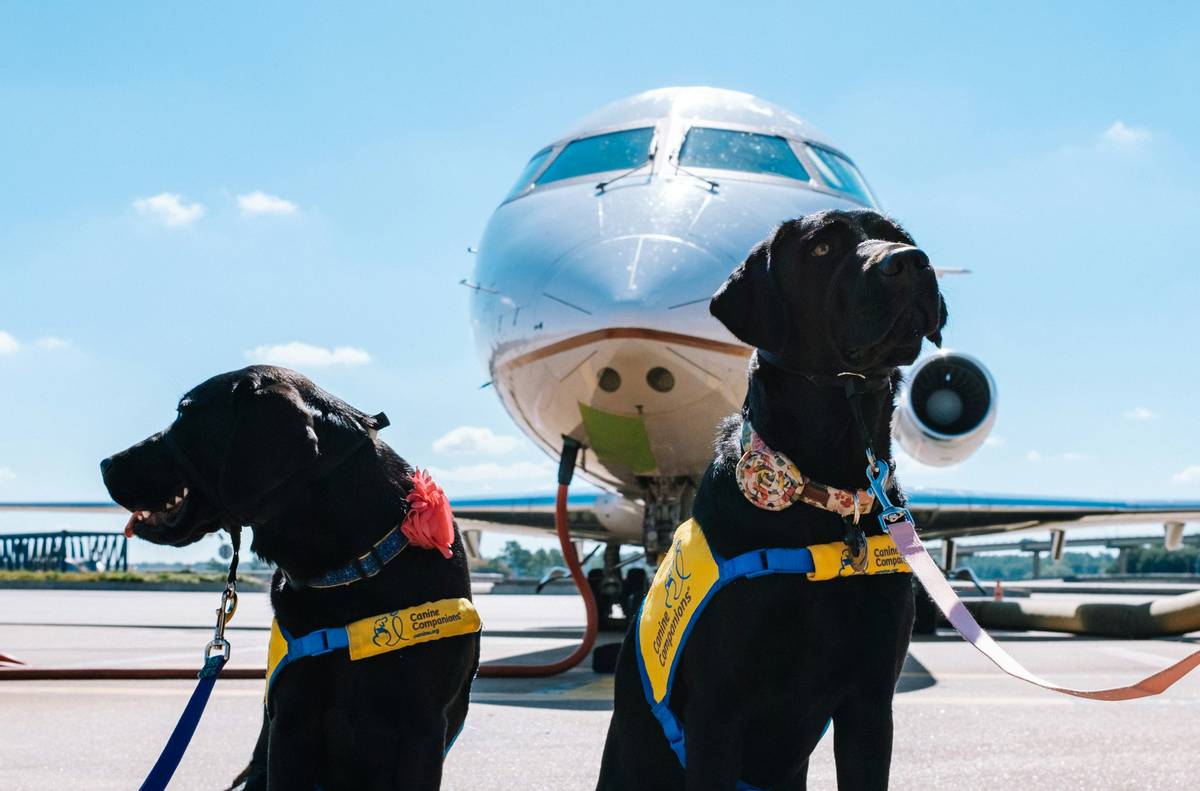
Your packing list matters almost as much as your destination itself.
Case Studies: Lessons from Real Travels
Take Alex’s story, for instance. After weeks of rigorous training, she took her Golden Retriever, Max, on a transatlantic flight. With his impeccable behavior and well-prepared owner, they breezed through security, lounged comfortably in Economy Comfort, and inspired neighboring passengers to adopt their own ESAs.
Contrast this with Sarah, whose lack of prep led to disaster. Her Labrador panicked during turbulence, causing her to miss connections after being removed for disruptive behavior. Lesson learned? Preparation = payoff.
FAQs About ESA Travel Accommodations
Q1: Are emotional support animals allowed on all airlines?
A1: No, most U.S. airlines no longer recognize ESAs under federal law unless they comply with ADA service animal rules. Check individual policies carefully.
Q2: What should my ESA wear during travel?
A2: While vests aren’t mandatory, they signal your dog’s role clearly to strangers. Plus, pockets come in handy for stashing poop bags!
Q3: How far ahead should I notify the airline about my ESA?
A3: Ideally, 48 hours prior to departure, though some carriers request longer notification periods.
Conclusion
Traveling with an emotional support dog doesn’t have to feel like running a gauntlet. By mastering ESA travel accommodations through careful planning, consistent training, and knowing your rights as a handler, every trip can become smoother.
So next time someone asks why you brought your furry bestie along, smile confidently. Because now you know exactly how to ace this adventure together. 🚀🐾
Like a Tamagotchi, your ESA’s happiness needs daily care.