Ever stared into the soulful eyes of your dog and wondered if they could become an emotional support animal? It’s a common thought for pet owners who see potential in their furry companions but aren’t sure where to start. ESA dog training isn’t rocket science, though—trust me, I’ve been there. When my golden retriever Max accidentally knocked over a glass table (yep, total chaos), I realized how much he—and I—needed proper guidance.
In this post, you’ll discover everything about esa dog training basics, from understanding what makes a great ESA to practical steps that even novice trainers can follow. Let’s dive in!
Table of Contents
- The Importance of ESA Dog Training
- Step-by-Step Guide to ESA Dog Training Basics
- Top Tips for Successful ESA Dog Training
- Real-Life Success Stories with ESA Dogs
- Frequently Asked Questions About ESA Dog Training Basics
Key Takeaways:
- Training an emotional support dog requires patience, consistency, and clear goals.
- Basic obedience commands are foundational before moving on to specialized ESA tasks.
- Positive reinforcement yields better results than punishment-based methods.
- A well-trained ESA improves both its handler’s mental health and public safety.
Why ESA Dog Training Isn’t Optional
Here’s a shocker: According to recent studies, poorly trained ESAs account for more than 60% of complaints against service animals in public spaces. And honestly? That’s alarming. Imagine trying to navigate anxiety while your ESA jumps up at strangers or barks uncontrollably—it defeats the purpose, doesn’t it?

The importance of esa dog training basics lies not only in creating harmony between you and your pup but also in ensuring everyone feels comfortable when your furry friend is around. A distracted dog might mean distraction for you too—and no one wants that mid-anxiety moment.
Step-by-Step Guide to ESA Dog Training Basics
Optimist You: “This sounds easy enough!”
Grumpy Me: “Ugh, fine—but we’re starting slow.”
Step 1: Build Basic Obedience Skills
No shortcuts here, folks. Before diving into specific ESA skills, your dog needs to ace basic obedience like:
- Sit
- Stay
- Come
- Leave it
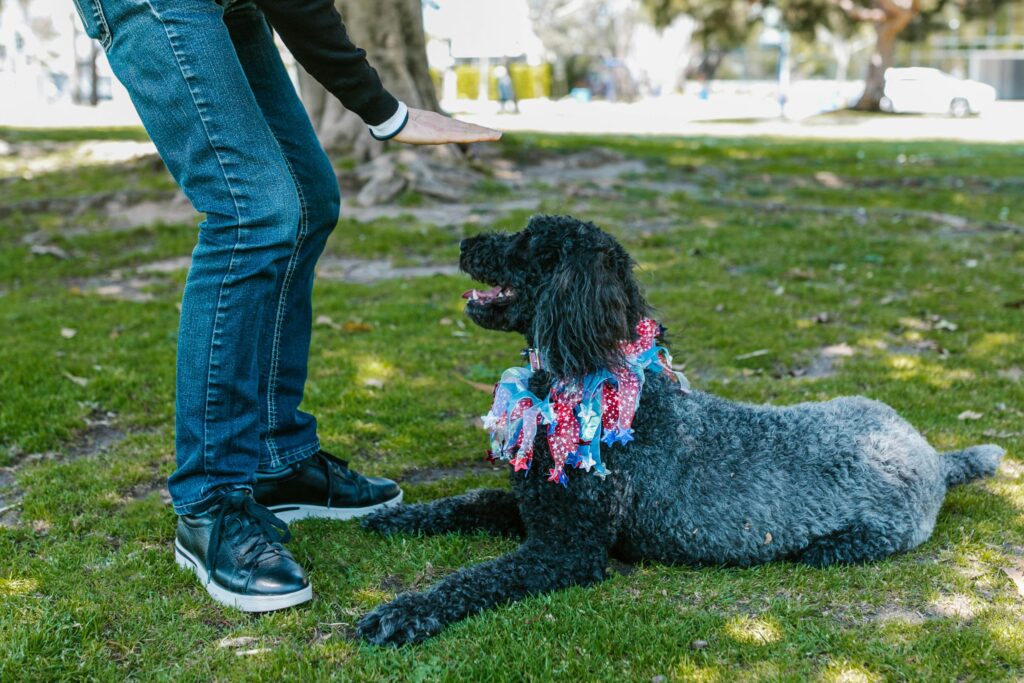
Pro Tip: Use consistent verbal cues paired with hand signals so your pooch gets the picture faster.
Step 2: Introduce Public Behavior Protocols
Your ESA should be calm and collected in public settings without jumping on people or reacting aggressively. Start small—train them in controlled environments like parks—and gradually expose them to busier areas.
Step 3: Teach Them Specific Comfort Tasks
Different handlers need different forms of comfort. For example:
- Some may benefit from deep pressure therapy (laying across laps).
- Others might rely on alert cues for panic attacks.
Work closely with a professional trainer to identify which skill suits your needs best.
Top Tips for Successful ESA Dog Training
- Use Positive Reinforcement: Reward good behavior immediately after it happens (think treats, playtime, or belly rubs).
- Be Patient: Some dogs pick things up quickly; others…well, let’s just say they challenge our willpower daily.
- Maintain Routine: Consistency builds trust and reinforces learning.
- Tailor Training Sessions to Their Energy Levels: If your pup seems zonked after a long walk, save the lessons for another day.
Rant Alert: Seriously, why do some trainers still advocate yelling or punishing dogs? It’s counterproductive and frankly annoying. Your poor furball deserves love, not stress!
Real-Life Success Stories with ESA Dogs
I once met Sarah, whose German Shepherd helped her through PTSD episodes by nudging her awake during night terrors. At first, she was skeptical about whether her high-energy pup could make the cut—but after months of dedicated esa dog training basics, they became inseparable battle buddies.
This story reminds us that every breed has potential as long as the training matches the temperament.
FAQs About ESA Dog Training Basics
Q: How long does ESA dog training take?
A: Typically 4-6 months, depending on your dog’s personality and existing knowledge.
Q: Do emotional support dogs require certification?
A: No official certification exists, but training ensures they behave appropriately in all situations.
Q: Can older dogs learn ESA behaviors?
A: Absolutely! Age is just a number—what matters most is consistency and repetition.
Conclusion
From mastering esa dog training basics to fostering lifelong bonds, training an emotional support animal is a journey worth embarking on. Remember, it won’t always go perfectly—it rarely does—but persistence pays off. Now go turn your chaotic canine companion into a calming confidant!
And hey, here’s your bonus haiku:
Paws tread soft on ground,
Whispers of tail wag wisdom,
Healing hearts unseen.