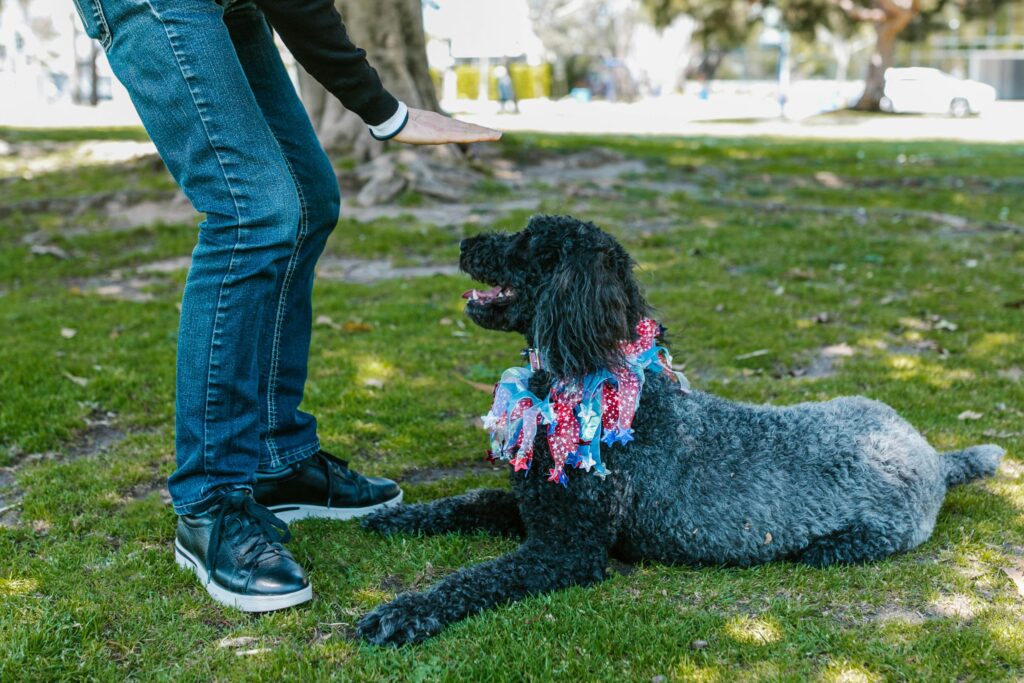
Ever felt like your emotional support dog just isn’t listening to you? You’re not alone. Many people struggle with training their dogs, especially when it comes to commands that foster calmness and connection. Without a solid foundation in basic obedience, even the most well-meaning pup can become more of a stressor than a comfort. But don’t worry—we’ve got you covered.
In this ultimate “Emotional Support Dog Commands Guide,” we’ll walk you through everything from understanding why command training matters to mastering key techniques. By the end, you’ll know exactly how to transform chaos into confidence—for both you AND your canine companion.
Table of Contents
- What’s Inside This Guide?
- Why Command Training Is Essential
- Step-by-Step Guide to Emotional Support Dog Commands
- Top Tips for Successful Training Sessions
- Real-Life Success Stories
- Frequently Asked Questions About Emotional Support Dogs
- Final Thoughts on Training Your Support Dog
Key Takeaways:
- Training emotional support dogs strengthens bonds while promoting mental health benefits.
- A structured, step-by-step process ensures consistent progress in learning essential commands.
- Patience, consistency, and positive reinforcement are non-negotiables for success.
- Common mistakes include rushing training or using outdated methods—avoid these pitfalls!
Why Command Training Is Essential
Picture this: You’re having an anxiety-ridden day, desperately needing some soothing companionship from your furry friend—but they won’t stop barking at every little sound. Annoying, right? That’s where effective emotional support dog commands come in. These tools are crucial for creating harmony between you and your dog, ensuring they provide the stability you need.

Confessional Fail: Once upon a time, I tried skipping straight to advanced commands without laying any groundwork. Spoiler alert—it was a disaster. My dog ended up confused, frustrated, and completely disengaged. Lesson learned: Start simple, stay patient, and always reward good behavior.
Step-by-Step Guide to Emotional Support Dog Commands
How Do I Start Basic Obedience Training?
Optimist You: “Let’s dive straight into the fun part!”
Grumpy You: “Okay, but make sure there’s snacks involved.”
- Gather Supplies: Treats, clicker (optional), leash, collar.
- Create a Routine: Pick a quiet space and stick to short, daily sessions (~5–10 minutes each).
- Teach Foundation Commands: Focus first on basics like Sit, Stay, Come, Leave It, and Down. Use treats as incentives.
- Gradually Increase Difficulty: Introduce distractions once mastery is achieved in controlled environments.
What Are Some Advanced Tricks Worth Trying?
Once your pup nails the basics, try incorporating tasks like fetching medication, grounding exercises during panic attacks, or even performing calming behaviors like lying quietly by your side.
Top Tips for Successful Training Sessions
To keep things smooth sailing, here are our top tips:
- Stay Positive: Reward desired actions immediately with praise or treats.
- Use Consistent Cues: Stick to specific words or gestures for each command.
- Be Patient: Dogs learn at their own pace. Don’t rush them—or yourself!
- Avoid Punishment: Negative reinforcement creates fear, not trust.
- Keep It Fun: End sessions on a high note so your dog associates training with positivity.
Terrible Tip Alert: Skipping breaks because “we’re on a roll!” Wrong. Overworking leads to burnout—for BOTH parties.
Real-Life Success Stories
Meet Sarah and Max. When Sarah adopted Max—a rescue dog prone to separation anxiety—their lives were chaotic. After months of dedicated training focusing on calming commands such as “Relax” and “Settle,” Max transformed into her ultimate emotional rock. Today, whether Sarah faces work stress or personal struggles, Max remains her steadfast partner.
“Max has taught me patience,” says Sarah. “And now he gives back tenfold.”
Frequently Asked Questions About Emotional Support Dogs
Do Emotional Support Dogs Need Special Certification?
No official certifications exist; however, proper training enhances their ability to assist effectively.
Can Any Breed Be Trained as an Emotional Support Dog?
Absolutely! While certain breeds may naturally excel, temperament and individual personality often matter most.
How Long Does It Take to Train an Emotional Support Dog?
Basic commands typically take 4–6 weeks, but refining skills continues over months—and sometimes years—as needed.
Final Thoughts on Training Your Support Dog
Training an emotional support dog isn’t about achieving perfection—it’s about building a partnership rooted in trust and mutual respect. With this “Emotional Support Dog Commands Guide,” you have all the tools necessary to embark on this rewarding journey.
Remember: Progress takes time, effort, and lots of love. So keep going—even if progress feels slow. Because when it clicks? Chef’s kiss.
P.S. Still reading? Here’s a haiku for your efforts:
Paws meet gentle hands,
Commands bridge worlds apart—
Love grows stronger still.