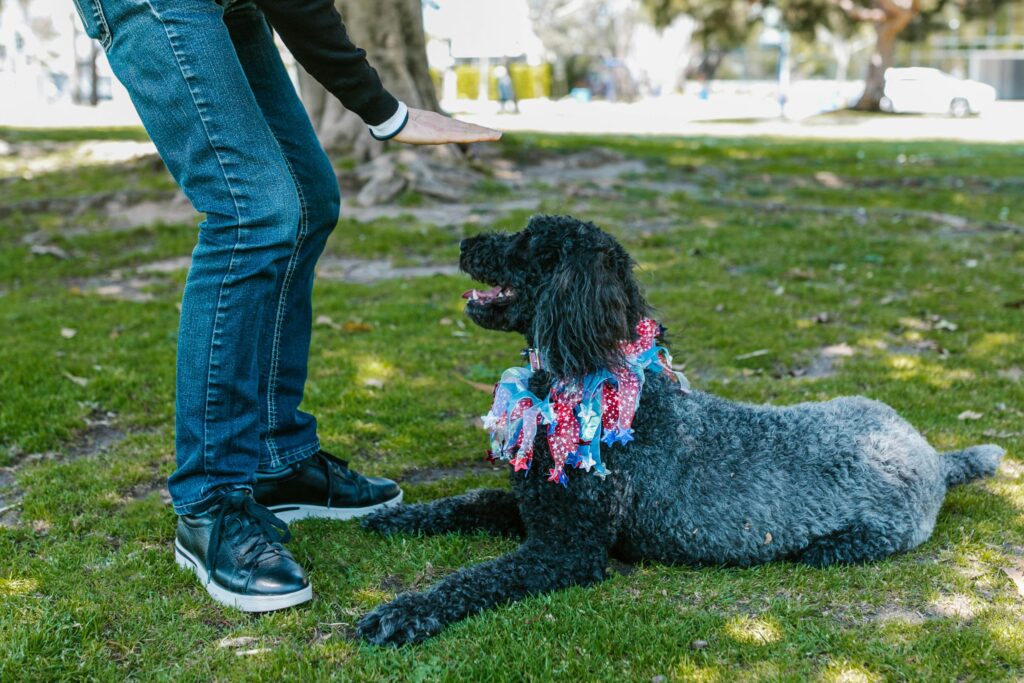
Ever wondered why your emotional support dog seems to have their own agenda when it comes to calming you down? You’re not alone.
If you’re looking for a way to train your four-legged friend into becoming an effective emotional support animal (ESA), this guide has everything you need. We’ll dive deep into practical steps, insider tips, and real-world examples—all wrapped up with some quirky storytelling because life’s too short for boring guides.
In this emotional support dog behavior guide, we’ll cover key topics like understanding ESA behaviors, step-by-step training methods, expert-approved best practices, and more. By the end of this post, you’ll know exactly how to strengthen that bond—and get results!
Table of Contents
- Introduction & The Problem
- Step-by-Step Training Guide
- Best Practices for Success
- Real-Life Stories
- FAQs
- Conclusion & Recap
Key Takeaways:
- Understanding your ESA’s natural instincts is crucial before diving into training.
- Consistency beats complexity—small daily wins stack up over time.
- Avoid the “terrible tip” trap by steering clear of quick-fix gimmicks.
Why Emotional Support Dog Behavior Matters
I made one rookie mistake early on as a first-time ESA owner—I tried forcing my anxious pup to learn commands without considering her personality quirks. Picture this: She’d sit there staring at me like I was speaking Klingon while I repeated “calm” like it was magic.

Here’s the harsh truth: According to the American Kennel Club (AKC), poorly trained ESAs can actually increase stress rather than alleviate it. That stat hit harder than my last dry shampoo recommendation fail.
So what’s the solution? This emotional support dog behavior guide cuts through the fluff (pun intended) and gives you actionable strategies tailored specifically for ESAs.
How to Train Your Emotional Support Dog: A Step-by-Step Guide
Optimist You: “Let’s do this! Time to turn Fido into a calm commander-in-paws!”
Grumpy You: “One step at a time, buddy. And grab coffee.”
Step 1: Assess Your Dog’s Temperament
Start by observing your dog’s habits. Are they social butterflies or timid wallflowers? Knowing whether they prefer cuddles or space sets the stage.
Step 2: Master Basic Commands
Teach simple cues like “sit,” “stay,” and “come.” Once these basics click, move on to advanced skills like staying calm in public spaces.
Step 3: Practice Real-World Scenarios
Taking your pup to low-pressure environments like parks or quiet cafes helps them adjust to distractions. Bring treats for positive reinforcement—because bribery works wonders.
Top Tips from Expert Trainers
- Stick to Short Sessions: Dogs lose focus faster than teens scrolling TikTok. Keep sessions under 10 minutes each.
- Reward Progress: Every tiny win deserves praise. Treats, toys, belly rubs—it all counts.
- Prioritize Patience: Rome wasn’t built in a day, and neither is a perfect ESA partnership.
Bonus Tip: Avoid wasting money on fancy gadgets. Invest instead in quality leash training tools or puzzle feeders designed for mental stimulation.
Success Story: From Chaos Pup to Calming Companion
Meet Max—a once hyperactive Labradoodle who now provides rock-solid support for his human, Sarah. When asked about her secret, she said:
“I focused on building trust first. Long walks, patience, and yes, lots of hot dogs later—he became my hero.”

Sarah also admitted to losing faith halfway but stuck around long enough to see improvements. Moral of the story? Stick with it even if progress feels slow.
Frequently Asked Questions About Emotional Support Dog Training
Q: How long does it take to train an emotional support dog?
A: It varies depending on age, temperament, and consistency but expect anywhere between 6 months to 2 years.
Q: Can any breed become an ESA?
A: Yes, though certain breeds may naturally excel at calming roles due to their temperament.
Q: Do I need certification for my ESA?
A: While official certifications aren’t legally required everywhere, having documentation improves access rights in places like apartments or airplanes.
Final Thoughts on Becoming an ESA Team
In conclusion, transforming your pooch into the ultimate emotional support powerhouse requires commitment—but it’s worth every second. Remember:
- Understand their unique needs.
- Train consistently using positive reinforcement.
- Celebrate small milestones along the journey.
And remember… Like a Tamagotchi, your emotional support dog’s growth depends on care, attention, and love. Now go out there and make it happen—you’ve got this!

PS: Need a little motivation boost? Here’s your haiku:
Pup whispers calm truths,
Four paws steady shaky hearts—
Love heals all wounds raw.