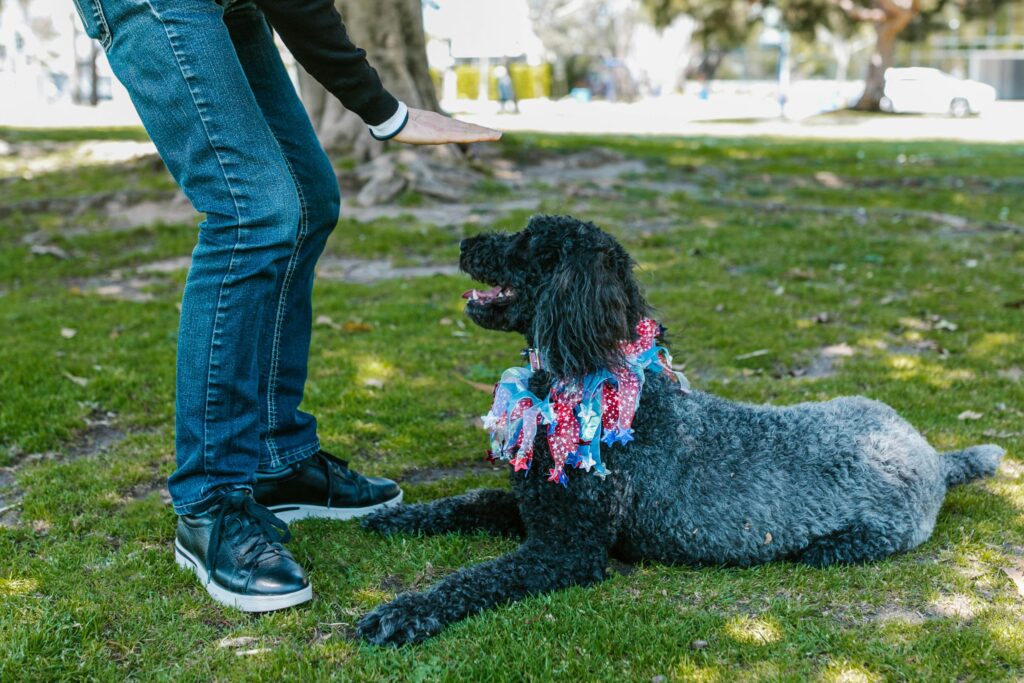
Ever felt like your emotional support dog just doesn’t “get it”? You’re not alone. Training an emotional support animal (ESA) can feel overwhelming, especially when you need them to provide comfort during tough times. With the right dog emotional support techniques, though, you’ll build a stronger bond and ensure they’re ready to help whenever life gets overwhelming.
In this guide, we’ll break down everything from understanding ESA roles to actionable training steps and real-life examples of success. Ready? Let’s dive in.
Table of Contents
- Introduction: Why Dog Emotional Support Techniques Matter
- Understanding Emotional Support Dogs’ Role in Mental Health
- Step-by-Step Guide to Training Your Emotional Support Dog
- Top Tips for Effective Emotional Support Dog Training
- Real-Life Success Stories: How These Techniques Changed Lives
- Frequently Asked Questions About Dog Emotional Support Techniques
- Conclusion: Building a Lifelong Bond Through Training
Key Takeaways
- Training an emotional support dog requires patience, consistency, and positive reinforcement.
- Dog emotional support techniques focus on tasks that reduce anxiety, such as deep-pressure therapy or calming cues.
- A strong human-animal bond is crucial for effective emotional support work.
Understanding Emotional Support Dogs’ Role in Mental Health

Dogs are more than pets—they’re companions who can genuinely improve mental health. Studies show that interaction with dogs lowers cortisol levels (the stress hormone) and boosts serotonin production. But here’s the thing: emotional support dogs aren’t born knowing how to soothe their owners; they need proper training.
Here’s where most people mess up: They assume love alone will train their ESA. Spoiler alert—it won’t. Sure, I once thought my labrador would instinctively know to snuggle me during panic attacks. Instead, he… tried eating my couch cushion. Rookie move, right?
This brings us to one vital truth: The foundation of all good emotional support dog training lies in teaching specific behaviors tied to emotional needs. Without clear direction, even the best intentions fall flat.
Step-by-Step Guide to Training Your Emotional Support Dog

If you want your pup to shine as an emotional support dog, follow these steps:
What Are the First Steps in Dog Emotional Support Techniques?
Optimist You: “It’s simple—just start!”
Grumpy You: “Ugh, fine—but only if coffee’s involved.”
- Foundation Commands: Master basics like sit, stay, come, and leave it. If your dog struggles with obedience, consider hiring a certified trainer.
- Socialization: Expose your dog to different environments, sounds, and people. This ensures they remain calm in stressful situations.
- Task-Specific Skills: Teach actions like applying gentle pressure by leaning against you or retrieving medication bottles.
How Do You Reinforce Positive Behaviors?
- Use treats sparingly but effectively to reward desired behavior.
- Praise with enthusiasm—your tone matters!
- Create routines so your dog knows what to expect daily.
Top Tips for Effective Emotional Support Dog Training
What Mistakes Should You Avoid at All Costs?
Let me rant for a second: There’s nothing worse than someone rushing the process or using punishment-based methods. Imagine yelling “NO!” every time your dog makes a mistake. Not cool. It erodes trust faster than a chihuahua steals socks.
And don’t skip vet checkups! A healthy dog equals a trainable dog.
Ten Essential Tips for Mastering Dog Emotional Support Techniques:
- Consistency is Key: Practice daily, even if it’s just five minutes.
- Short Sessions Work Best: Keep training under 10-15 minutes to avoid burnout.
- Be Patient: Rome wasn’t built in a day, and neither was an ESA superstar.
- Focus on Bonding: Spend quality time beyond training sessions.
- Use Toys Strategically: Interactive toys enhance problem-solving skills.
- Track Progress: Journal improvements to celebrate milestones.
- Get Professional Help if Needed: No shame in calling in reinforcements!
- Teach Calmness Cues: Use verbal prompts like “relax” paired with physical touch.
- Practice Deep Pressure Therapy: Train your dog to lie across your lap gently.
- Nix Negative Methods: Avoid shock collars or harsh corrections.

Real-Life Success Stories: How These Techniques Changed Lives
Take Sarah, for instance. Her German Shepherd, Max, struggled with aggression issues until she started implementing structured dog emotional support techniques. Within six months, Max became a certified ESA, helping Sarah manage PTSD symptoms.
Or Jake, whose miniature poodle learned to detect his anxiety spikes and nudge him toward safer spaces. Thanks to consistent training, both humans and animals found peace together.
Frequently Asked Questions About Dog Emotional Support Techniques
Do Emotional Support Dogs Require Certification?
Nope. While official certifications exist, federal law doesn’t mandate them. However, landlords may request documentation from licensed therapists.
Can Any Breed Be Trained as an Emotional Support Dog?
Yes! Temperament matters more than breed size. From pugs to Great Danes, any dog can become an ESA with dedication.
Is It Too Late to Start Training My Adult Dog?
Absolutely not. Older dogs often excel due to maturity and prior experience.
Conclusion: Building a Lifelong Bond Through Training
Training your emotional support dog isn’t about perfection—it’s about progress. By leveraging these dog emotional support techniques, you’ll nurture a partnership rooted in trust, communication, and unconditional love.
“Pawsitive vibes ahead,” they say. So grab those treats, keep your energy high, and watch your furry friend grow into the ultimate source of comfort.
Like a Tamagotchi, your emotional support journey thrives with care and attention. Good luck!