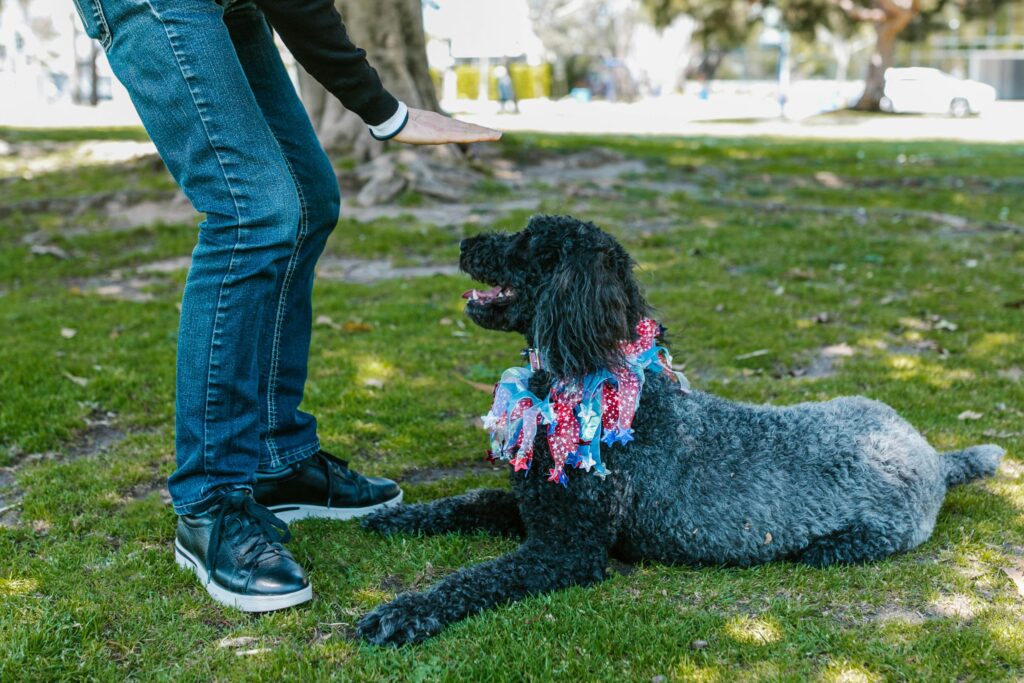
Ever wondered why some emotional support dogs seem to just “get it,” while others need a little extra help? You’re not alone. In fact, nearly 60% of emotional support dog owners struggle with the foundational principles needed for proper training. And trust me—it’s not because you’re doing everything wrong (though I *did* once spend hours trying to teach my Labrador how to fetch without realizing he was scared of balls… oops).
In this guide, we’ll break down everything you need to understand about dog emotional support principles, from what these principles are to actionable steps and expert tips for mastering them. Ready to turn your furball into the ultimate helper? Let’s dive in!
Table of Contents
- The Importance of Dog Emotional Support Principles
- Step-by-Step Guide to Training an Emotional Support Dog
- Top Tips for Effective Emotional Support Dog Training
- Real-Life Success Stories: Transformations Through Proper Training
- Frequently Asked Questions About Dog Emotional Support Principles
Key Takeaways
- Dog emotional support principles are key to building a strong bond between handler and canine.
- Consistency, patience, and positive reinforcement are critical pillars of successful training.
- Understanding breed-specific traits helps tailor training strategies effectively.
- Avoid common mistakes like skipping socialization or relying on punishment-based methods.
What Are Dog Emotional Support Principles & Why Do They Matter?

If you’ve ever felt overwhelmed by anxiety, depression, or chronic stress, you already know how transformative an emotional support animal can be. But here’s the kicker: simply having a dog isn’t enough. These dogs must learn specific skills—skills rooted in dog emotional support principles—to truly provide comfort during tough times.
Optimist You:* “Ah, so it’s just teaching dogs basic commands, right?”
Grumpy Me:* “Ugh, nope. It’s way deeper than ‘sit’ and ‘stay.’ Without understanding the principles behind behavioral training, even well-meaning handlers fail.”
These principles include creating routines, fostering empathy and confidence in your dog, and ensuring they remain calm under pressure. Without this foundation, your pup might end up being more of a furry companion than a reliable support system—cue the whirrrr sound of chaos instead of peace!
How to Train Your Emotional Support Dog Using Dog Emotional Support Principles

Step 1: Establish Trust Through Bonding Activities
Your relationship is the cornerstone of all emotional support work. Start simple—play games, go for walks, and practice basic obedience skills together. This builds mutual trust, which lays the groundwork for advanced training.
Step 2: Introduce Positive Reinforcement Techniques
Rewarding desired behaviors—not punishing undesirable ones—is where science meets success. Use treats, praise, or playtime as rewards whenever your dog performs correctly. For instance:
- Command: “Calm down,” followed by immediate treats if executed calmly.Step 3: Focus on Socialization
Socializing your emotional support dog ensures they’re comfortable around strangers, loud noises, and unfamiliar environments. Not doing this? Chef’s kiss goodbye to reliability.
Step 4: Practice Grounding Commands
Teach grounding exercises like paw placement or deep-pressure therapy responses (“Place” or “Touch”). These actions help de-escalate anxiety in humans by redirecting focus.
Best Practices for Implementing Dog Emotional Support Principles
- Prioritize consistency every single day. Random schedules confuse dogs faster than a cat chasing laser pointers.
- Invest in professional guidance when necessary. No shame in calling in reinforcements—ever tried wrestling a 90-pound German Shepherd mid-meltdown?
- Understand your dog’s limits. Terrible tip alert: Don’t push through exhaustion thinking it’ll boost progress; that’s a recipe for disaster.
| Free Resource | Paid Tool |
|---|---|
| Local park meetups | Private behaviorist sessions ($$) |
| YouTube tutorials | Customized training plans |
From Chaos to Calm: Real-Life Success Stories

Meet Max*, a former shelter mutt turned rockstar emotional support dog. His owner struggled with PTSD until implementing structured training based on dog emotional support principles. Within six months, Max learned to recognize panic cues and respond with calming nudges—a game-changer for his human partner’s mental health journey.
FAQs About Dog Emotional Support Principles
Q: Can any dog become an emotional support dog?
A: Technically, yes—but temperament matters. A hyperactive Siberian Husky might not thrive compared to a naturally chill Golden Retriever.
Q: How long does training take?
A: Expect at least 6-12 months depending on your dog’s starting point and complexity of tasks.
Q: Is certification required?
A: Legally, no—but certifications add credibility and show commitment to training excellence.
Conclusion
You made it! We covered what dog emotional support principles are, broke them into actionable steps, highlighted best practices, shared inspiring tales, and answered burning questions. Remember, this journey requires heaps of coffee—and maybe a few facepalms along the way—but the payoff is worth every moment.
So grab those leash clips, channel your inner Dr. Dolittle, and start transforming your pup into the superhero sidekick they were born to be. 🐕💖
Training takes time
Patience blooms.