Ever felt like your dog just doesn’t “get” you when you need emotional support the most? Maybe they’re more likely to chew on your favorite shoes than offer a comforting paw during tough times. You’re not alone. Many pet parents struggle with training their furry companions for the essential role of providing emotional support. But don’t worry—this guide dives deep into dog support behavior training, giving you practical steps, actionable tips, and even some confessional fails along the way.
In this post, we’ll cover:
- Why emotional support dogs are more than cuddly companions
- A step-by-step guide to successful dog support behavior training
- Proven best practices (and one terrible tip you should avoid)
- Real-life examples that prove it’s possible
Table of Contents
- Key Takeaways
- Section 1: Why Emotional Support Dogs Need Specialized Training
- Section 2: How to Train Your Dog for Emotional Support
- Section 3: Tips for Mastering Dog Support Behavior Training
- Section 4: Real-Life Success Stories
- Section 5: FAQs About Dog Support Behavior Training
Key Takeaways
- Dog support behavior training builds trust and reliability between you and your emotional support animal.
- Consistency and positive reinforcement are non-negotiables in effective training.
- Mistakes happen—but learning from them will strengthen your bond.
Why Emotional Support Dogs Need Specialized Training
Confession time: I once tried teaching my golden retriever, Max, to calm me down during anxiety attacks by bribing him with bacon snacks. Let’s just say it didn’t work out. Not only did he end up drooling all over my couch, but he also got *way* too excited about every sniff of stress-induced adrenaline. Rookie mistake? Absolutely.
The truth is, while dogs naturally want to please us, emotional support roles require specific behaviors like staying calm in public spaces, recognizing distress cues, and responding appropriately. Without proper dog support behavior training, your pup might do more harm than good—like barking at strangers or jumping on you mid-meltdown.

How to Train Your Dog for Emotional Support
Step 1: Start with Basic Obedience Commands
“Optimist You”: “Follow these tips—and watch your dog become the perfect emotional support partner!”
“Grumpy You”: “Ugh, fine—but only if coffee’s involved.”
Before diving into advanced skills, ensure your dog has mastered foundational commands like sit, stay, come, and leave it. These basics lay the groundwork for more complex tasks later.
Step 2: Introduce Calming Cues
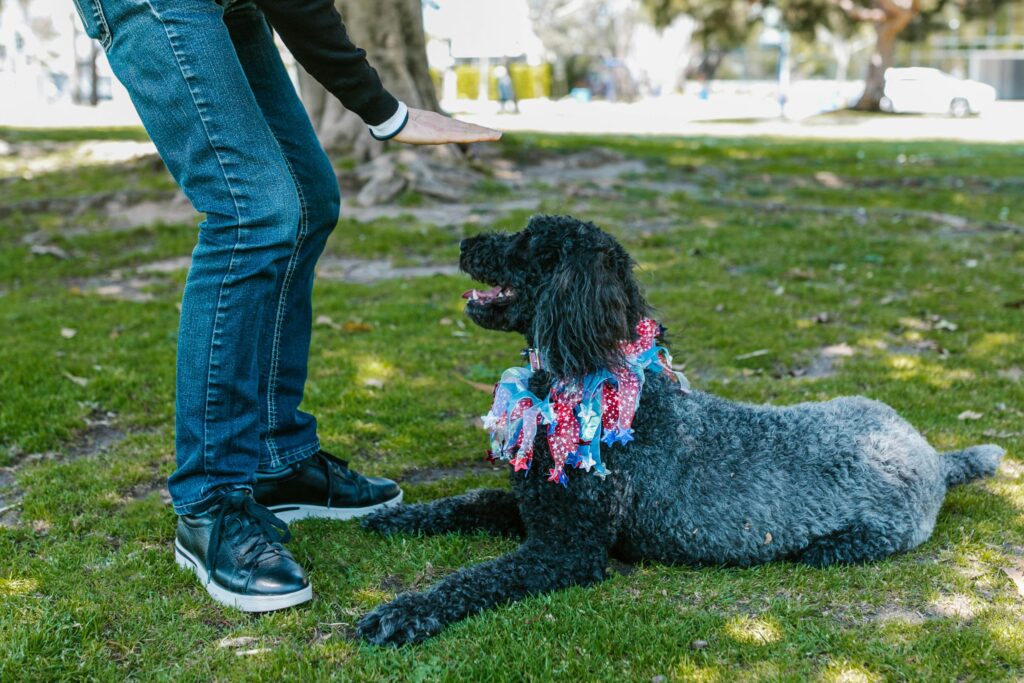
Teach your dog how to respond calmly when you’re feeling overwhelmed. For example, use a soft command like “settle” paired with gentle petting or treats. Over time, they’ll associate this cue with helping you relax.
Step 3: Practice Public Exposure
Emotional support dogs often accompany their owners in public settings. Gradually introduce your dog to crowded environments, ensuring they remain composed under pressure. This step takes patience—it’s like trying to sip water without spilling on a bumpy airplane ride.
Tips for Mastering Dog Support Behavior Training
- Stick to Positive Reinforcement: Reward desired behaviors immediately to reinforce learning.
- Keep Sessions Short: Aim for 5–10 minute sessions to maintain focus.
- Stay Consistent: Use the same commands, gestures, and rewards every time.
- Hire a Professional Trainer (If Needed): Sometimes outside expertise makes all the difference.
Terrible Tip Warning: Avoid punishing your dog for mistakes. Yelling or scolding can damage your relationship and make progress slower. Think of it as yelling at Alexa—it won’t fix anything and just leaves everyone frustrated.
Real-Life Success Stories
Meet Sarah and her Labrador, Luna. When Sarah adopted Luna as a puppy, she had no idea how much impact proper dog support behavior training would have. Fast forward two years, and Luna now helps Sarah manage panic attacks by physically leaning against her until she regains composure. It’s chef’s kiss for life-changing moments.
Another standout case involves Mark, whose German Shepherd, Titan, assists him with PTSD flashbacks. Through rigorous training, Titan learned to nudge Mark whenever he sensed tension building. The result? Fewer episodes and a deeper human-dog connection.
FAQs About Dog Support Behavior Training
Can any dog become an emotional support animal?
Absolutely! While certain breeds excel at emotional support due to their temperament, any well-trained dog can fulfill the role.
Do I need certification for my emotional support dog?
No legal requirement exists for ESA certification, but landlords or airlines may ask for documentation from a licensed professional stating your need for an ESA.
What if my dog isn’t responding to training?
Persistence is key. If progress stalls, consider consulting a professional trainer who specializes in dog support behavior training.
Conclusion
Congratulations—you’re now equipped with everything you need to transform your fur baby into a certified cuddle warrior! Remember, dog support behavior training isn’t just about obedience; it’s about fostering a lifelong partnership built on trust and love.
Final thought: Like a Tamagotchi, your SEO needs daily care. Keep nurturing your knowledge, and both you and your dog will thrive together.