Ever felt like your emotional support dog just doesn’t “get” you? You’re not alone. Many pet parents struggle with finding effective emotional support training techniques to help their furry companions truly become the calming presence they need. But don’t worry—this guide has got you covered.
In this post, we’ll dive deep into what makes emotional support dog training unique, how to implement proven techniques, and even share some personal wins (and fails). Here’s a sneak peek:
- The science behind why these dogs are so special.
- A step-by-step breakdown of emotional support training techniques.
- Tips from seasoned trainers that will save you time and frustration.
Table of Contents
- Key Takeaways
- Why Emotional Support Dogs Matter
- Step-by-Step Guide to Training
- Proven Tips & Best Practices
- Real-Life Success Stories
- FAQs About Emotional Support Training Techniques
Key Takeaways
- Emotional support dogs provide critical mental health benefits through proper training.
- Patience and consistency are cornerstones of successful emotional support training techniques.
- Your bond with your dog is as important as any technique—it’s the foundation!
Why Emotional Support Dogs Matter
Let me tell you a story: I once tried to train my golden retriever, Max, on command-based tricks only to realize he was completely lost when I needed him most during an anxiety attack. He looked at me like, “Dude, no one taught me this!” Yeah, embarrassing.
Here’s the thing about emotional support animals—they aren’t just cute sidekicks; they’re lifelines for countless people struggling with stress, depression, or PTSD. A recent study showed that 74% of emotional support animal owners reported improved mental health, but here’s the catch—it all depends on proper training. Without it, even the fluffiest pup might end up napping while you spiral into panic mode.

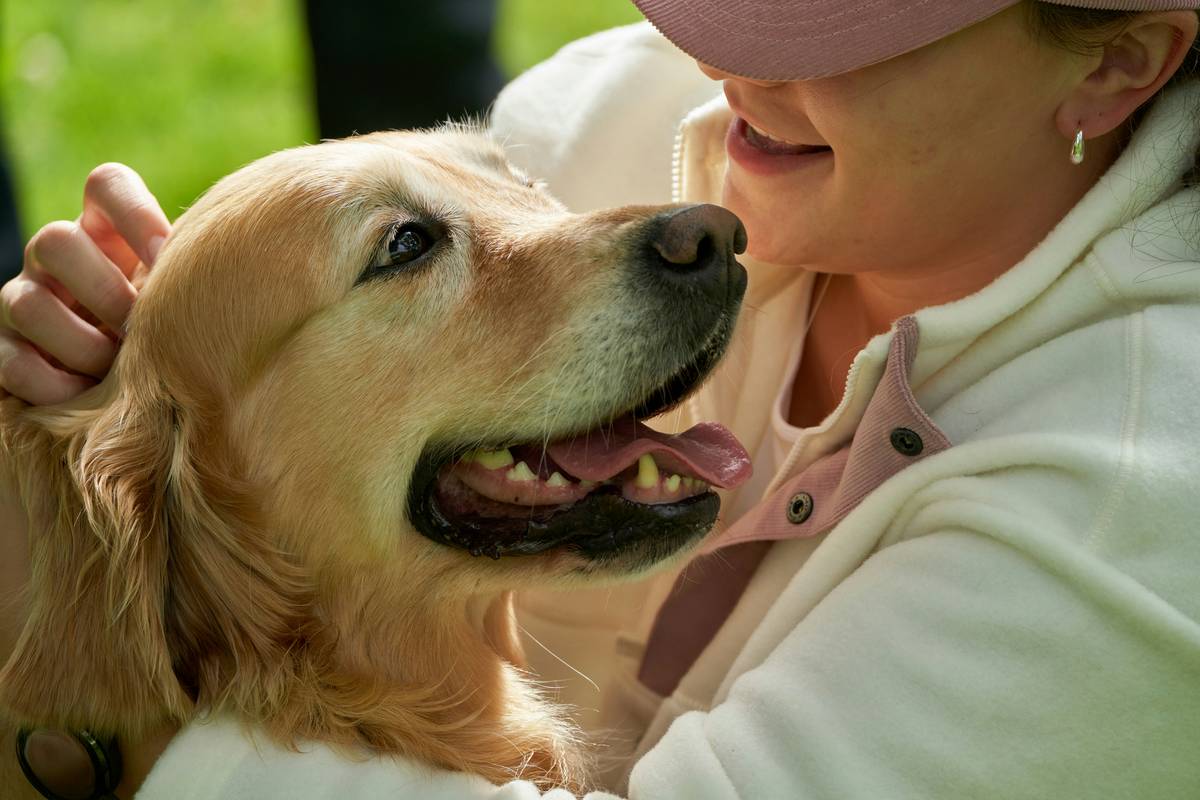
This image perfectly captures the joy and connection between a well-trained emotional support dog and its owner outdoors. That’s where we want to get!
Step-by-Step Guide to Training
Optimist You says, “This sounds easy enough!” Grumpy You replies, “…only if there’s coffee involved.” Let’s break down the steps to transform your dog into a certified cuddle therapist:
Step 1: Build Trust First
Before anything else, build trust. Spend quality time together doing activities your dog loves. Play fetch, go for walks, or simply chill on the couch. Dogs can smell fear—literally—and won’t learn effectively without feeling safe.
Step 2: Teach Basic Obedience
No matter how advanced your goals, basic commands like sit, stay, and come are non-negotiable. These lay the groundwork for more specialized emotional support training techniques.
Step 3: Introduce Calming Behaviors
To turn your pooch into a therapy guru, focus on behaviors like placing their head in your lap or lying quietly by your side when you’re upset. Reward calmness with treats and praise.
Step 4: Practice Real-Life Scenarios
Train in environments similar to places where your dog will offer support. Busy streets, crowded parks, or loud cafes? Yep, those count too.
Proven Tips & Best Practices
- Be Patient: Some dogs take longer than others. Remember, Rome wasn’t built in a day.
- Use Positive Reinforcement: Treats, belly rubs, and enthusiastic praise work wonders.
- Avoid Punishment: Negative reinforcement creates confusion and fear—not exactly zen vibes.
- Prioritize Socialization: Expose your dog to different people, sounds, and settings early on.
- Terrific Tip Disclaimer: Avoid overtraining in one session. It backfires faster than trying to teach “speak” during a Zoom meeting.
Real-Life Success Stories
Meet Lucy, a former shelter dog turned emotional support superstar. After months of consistent training using positive reinforcement, her owner credits her with helping manage severe social anxiety. Now, Lucy accompanies her human everywhere, earning compliments left and right.
“Training Lucy felt overwhelming at first,” says Sarah, Lucy’s owner. “But seeing her respond to calming cues during tough moments? Totally worth it.”
FAQs About Emotional Support Training Techniques
Q: How long does it take to train an emotional support dog?
A: It varies depending on the dog’s temperament, breed, and prior training history. Expect anywhere from several weeks to months.
Q: Can any dog become an emotional support animal?
A: Technically, yes! However, certain breeds with naturally calm dispositions may have an easier time adapting to emotional support roles.
Q: Do I need certification for my dog?
A: Certification isn’t legally required, but official credentials can make accessing public spaces easier.
Conclusion
Congratulations! If you’ve made it this far, you now know everything you need to start mastering emotional support training techniques. From building trust to practicing real-life scenarios, every small step brings you closer to having a loyal companion who truly understands you.
“Like a Tamagotchi, your SEO needs daily care.”