Table of Contents
- Introduction
- Key Takeaways
- The Importance of Emotional Support Dogs in Modern Life
- Step-by-Step Guide to Training Your Emotional Support Dog
- 5 Proven Tips for Mastering Dog Emotional Support Techniques
- Real-Life Success Stories: Transformative Journeys with Emotional Support Dogs
- Frequently Asked Questions About Dog Emotional Support Techniques
- Conclusion: Why Consistency is Key
Introduction: What You’ll Learn Today
Ever wondered why your dog barks at the mailman but ignores you when you’re feeling down? Yeah, us too. Turns out, training an emotional support dog isn’t just about obedience—it’s about building a bond so strong it feels like they’re reading your mind. In this post, we’ll dive deep into the art and science of mastering dog emotional support techniques. You’ll discover how to train your furry friend, avoid common mistakes, and create a partnership that helps both of you thrive.
We’ll cover the basics of emotional support training, actionable steps to get started, insider tips, real-world examples, and answer all your burning questions.
Key Takeaways
- Dog emotional support techniques focus on strengthening human-animal bonds.
- Consistency and patience are essential for successful training.
- Positive reinforcement works best; punishment often backfires.
- Choosing the right environment for training can make or break progress.
- Emotional support dogs need ongoing socialization and care.
The Importance of Emotional Support Dogs in Modern Life

Image 1: A heartwarming moment between a handler and their emotional support dog.
In today’s fast-paced world, anxiety and stress levels are skyrocketing. Enter emotional support dogs—the unsung heroes of mental health. These specially trained pups don’t just wag tails; they provide comfort during panic attacks, encourage calmness in chaotic situations, and even help combat loneliness. But here’s the kicker: not every dog comes pre-programmed with these skills. That’s where dog emotional support techniques come in.
I once made the rookie mistake of forcing my pup to “be chill” without understanding his triggers. Spoiler alert: It didn’t work. Instead of calming him down, I ended up confusing him more. This taught me a valuable lesson: effective training starts with empathy, not authority.
Step-by-Step Guide to Training Your Emotional Support Dog
What Exactly IS Dog Emotional Support Training?
Optimist You: “It’s simple! Teach them to sit quietly next to you.”
Grumpy You: “Except there’s a lot more nuance involved, buddy.”
Training an emotional support dog involves teaching specific behaviors that foster emotional regulation and connection. Here’s a step-by-step breakdown:
- Assess Your Dog’s Personality: Is your dog naturally calm or overly energetic? Tailor your approach accordingly.
- Establish Basic Obedience: Commands like “sit,” “stay,” and “come” form the foundation.
- Introduce Calming Exercises: Practice deep breathing together (yes, really!)—dogs mimic their owners.
- Use Positive Reinforcement: Reward calm behavior with treats or praise immediately after it happens.
- Simulate Stressful Scenarios: Gradually expose your dog to controlled stressful environments while rewarding calmness.

Image 2: A trainer demonstrates how positive reinforcement builds trust.
5 Proven Tips for Mastering Dog Emotional Support Techniques
What Are Some Game-Changing Strategies?
- Start Early—but It’s Never Too Late: Puppies adapt quickly, but adult dogs can learn new tricks too.
- Create a Safe Space: Designate a cozy corner where your dog retreats during stressful moments.
- Practice Patience: Consistency over time yields results—no shortcuts.
- Incorporate Playtime: Games like fetch or tug-of-war build trust and release tension.
- Seek Professional Help If Needed: Certified trainers offer personalized guidance.
(Terrible Tip Alert: Don’t yell at your dog if they fail to perform. They’ll associate fear with learning, making future sessions harder.)
Real-Life Success Stories: Transformative Journeys with Emotional Support Dogs
Who Else Has Walked This Path?

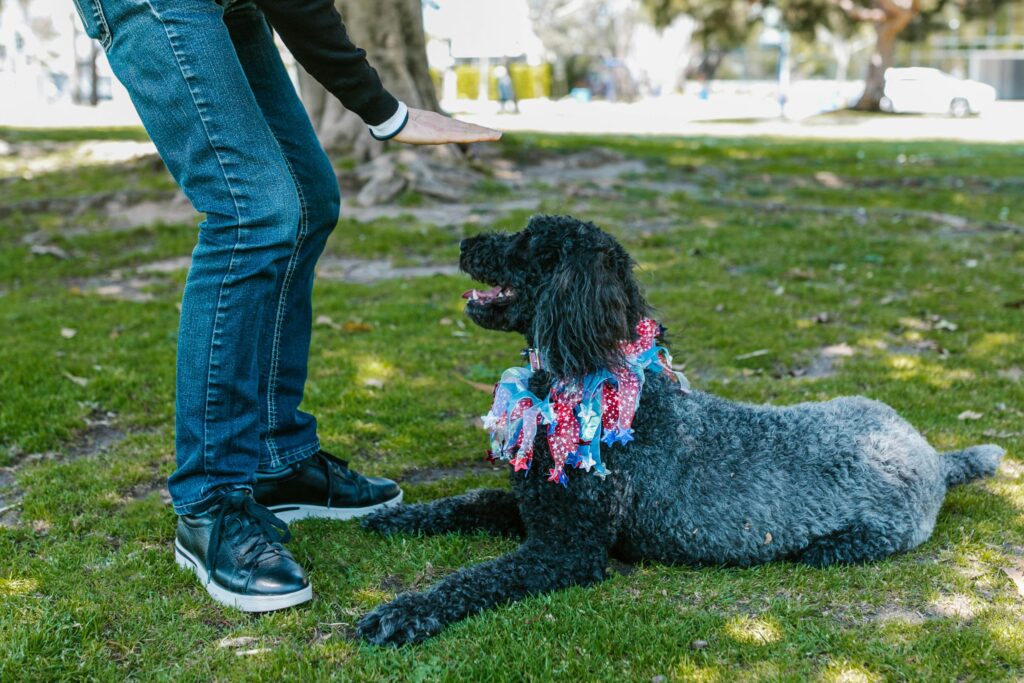
Image 3: An owner and her emotional support poodle enjoying outdoor therapy.
Sara, a single mother battling PTSD, credits her emotional support dog Max with helping her regain independence. “I couldn’t leave the house alone before,” she shares. “Now, Max alerts me to rising anxiety and distracts me from flashbacks.”
Similarly, James, a veteran struggling with depression, found solace in his lab mix Luna. Through consistent training and mutual support, Luna learned to nuzzle James whenever he felt overwhelmed. Their journey reminds us: healing is possible.
Frequently Asked Questions About Dog Emotional Support Techniques
Got Questions? We’ve Got Answers.
- How long does it take to train an emotional support dog? Typically 6 months to a year, depending on individual needs and consistency.
- Do emotional support dogs require certification? No official certification is required, but proper training is crucial.
- Can any breed become an emotional support dog? Yes, temperament matters more than breed.
- Is professional training mandatory? Not necessarily, but it accelerates progress.
Conclusion: Why Consistency is Key
Raising an emotional support dog is no walk in the park. Sure, you might stumble along the way—maybe you’ll forget to reinforce good behavior or accidentally reward bad habits—but remember, growth takes time. With the right mix of love, discipline, and creativity, mastering dog emotional support techniques becomes less daunting and more rewarding.
And hey, if nothing else, remember: Like Tamagotchis, relationships take daily nurturing to truly flourish.
Haiku Bonus:
Paws soothe troubled minds,
Tails wag through stormy days,
Love heals every wound.